Table of contents
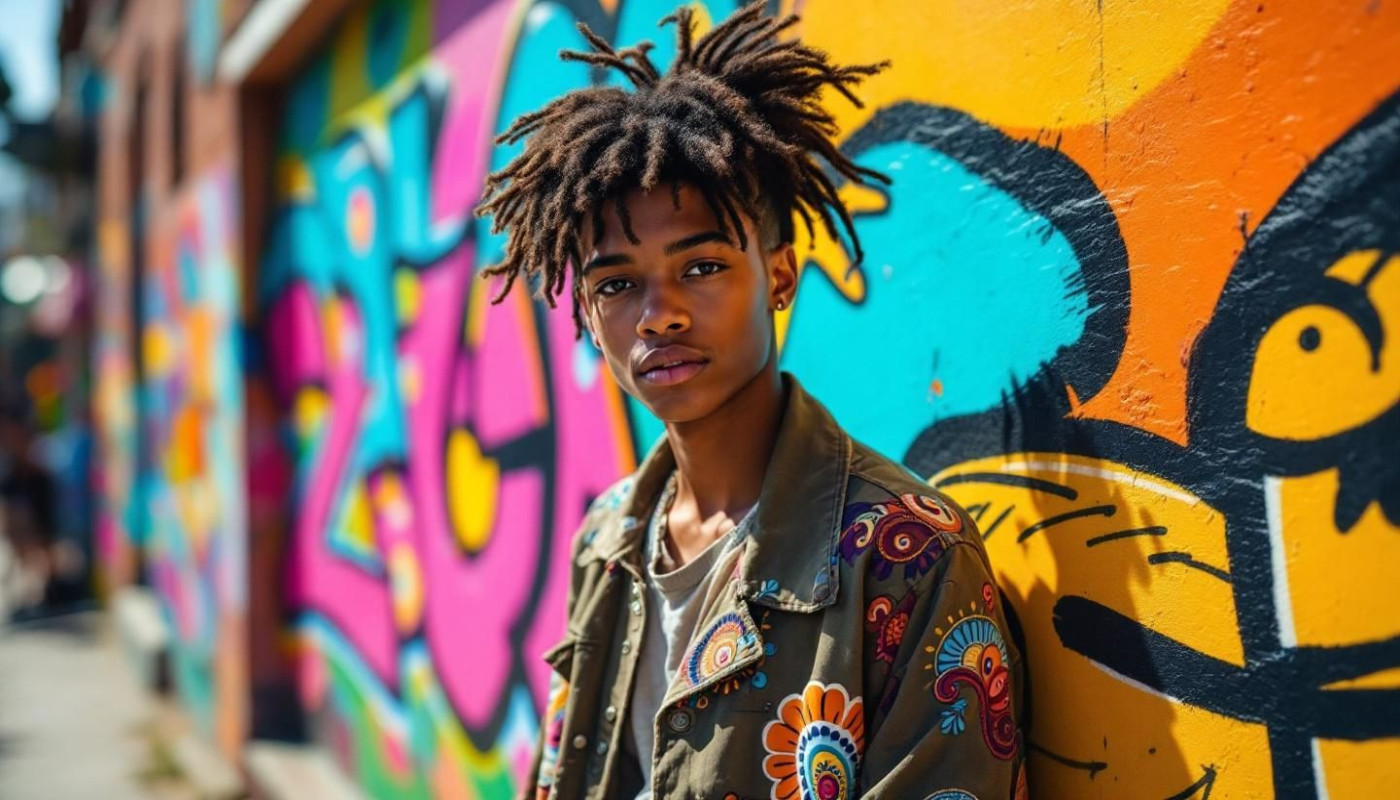
Modern streetwear has emerged as a melting pot of influences, where age-old symbols meet contemporary styles. This fusion creates a visual dialogue between heritage and innovation, sparking curiosity about how traditional motifs shape urban fashion today. Dive deeper to unravel how these historical patterns continue to inspire and redefine the boundaries of streetwear culture.
Origins of traditional motifs
Traditional patterns and heritage symbols have deep roots, often originating from ancient rituals, folklore, or religious practices within distinct communities. These global motifs, whether intricate paisley from Persia, bold kente from West Africa, or delicate sashiko from Japan, carry layers of cultural meaning that reflect identity, social status, and shared values. Each motif was once crafted with intention, using specific techniques and materials that reinforced communal bonds and preserved collective memory. With generations passing down these designs, their symbolism evolved but remained a testament to the creativity and resilience of various societies.
The contemporary streetwear influence draws heavily from these time-honored symbols, translating their essence onto modern fabrics and silhouettes. This fusion raises questions around cultural appropriation, especially when designers adopt heritage symbols without understanding or respecting their origins. While the incorporation of traditional patterns can celebrate diversity and foster cross-cultural appreciation, it also demands a sensitive approach, honoring the original context and significance of each element. By examining the journey of these motifs from their roots to the forefront of fashion, one gains insight into the ongoing dialogue between past and present, tradition and innovation, all within the vibrant world of streetwear.
Transformation in urban fashion
In modern streetwear, the reinvention of traditional motifs has become a defining feature of urban design, shaping a unique narrative for fashion evolution. Designers draw inspiration from patterns often rooted in cultural heritage, meticulously adapting them for contemporary appeal through innovative techniques and material choices. This process, widely known as fusion aesthetics, involves blending age-old artistry with cutting-edge design philosophies, resulting in garments and accessories that celebrate both the past and the present. Motif reinvention not only preserves the visual language of ancestral crafts but also breathes new life into these elements, making them relevant for a new generation of style enthusiasts. To fully grasp this creative transformation, the insight of a leading expert in contemporary fashion studies would illuminate the nuanced ways in which pattern blending continues to redefine the identity of modern streetwear within global urban landscapes.
Symbolism and cultural storytelling
Motif symbolism plays a pivotal role in the evolution of modern streetwear, bridging the gap between heritage and contemporary styles. Historic patterns originating from Japanese, African, or Indigenous traditions are not mere decorative choices; they embody layers of cultural storytelling that communicate fashion identity and shared values. For instance, Japanese streetwear often incorporates elements like the crane or koi fish, each representing resilience, good fortune, or transformation, connecting the wearer to centuries-old folklore. The use of these motifs is deeply tied to visual semiotics, a field analyzing how images and symbols convey meaning, allowing garments to function as visual texts carrying messages about history, belonging, and resistance.
Meaningful design emerges when brands intentionally select motifs that resonate with the narrative they wish to express. For example, brands collaborating with Indigenous artists might use traditional beadwork patterns, not only as aesthetic features but as a statement of respect and recognition for cultural craftsmanship. In addition, when these motifs appear in urban fashion, they often serve as silent commentaries on identity, heritage pride, or even issues like cultural appropriation. This interplay transforms clothing into a form of social dialogue, where each article worn becomes a medium for storytelling and identity assertion.
Fashion identity is further deepened by the strategic use of motif symbolism, as wearers become ambassadors of the narratives ingrained in their attire. According to leading cultural analysts, the incorporation of historic patterns and meaningful design in streetwear is a testament to the enduring power of symbols to unite communities and provoke thought. For those seeking to explore authentic Japanese influences in streetwear, try here offers a range of garments that showcase the full spectrum of traditional and modern motif fusion, enabling a richer connection between the past and present in urban fashion.
Challenges of authenticity and respect
When traditional motifs are integrated into streetwear, significant challenges arise surrounding authenticity and cultural respect. One key issue is motif integrity, as designers must ensure that patterns, symbols, or themes sourced from diverse cultures are represented with fidelity and not diluted for commercial appeal. The ongoing debate between cultural appropriation and appreciation intensifies the scrutiny on ethical streetwear, with critics highlighting when iconic imagery becomes detached from its original context, risking misrepresentation and offense. The line between celebrating heritage and exploiting it for profit is often blurred, and this tension requires brands to consider their designer responsibility in both creative and ethical terms.
From a legal and ethical standpoint, questions of intellectual property loom large. Traditional motifs may be protected by communal or regional rights, making unauthorized use a breach of both law and moral codes. Stella McCartney, an authoritative voice in fashion ethics, underscores that the safeguarding of authentic fashion hinges on transparent collaboration with origin communities, informed consent, and equitable sharing of benefits. Brands are increasingly called to champion cultural respect by involving source cultures in the design process, giving credit, and returning value to these communities. Navigating these complexities determines whether a collection contributes positively to the evolution of global style or perpetuates historical injustices.
Future trends in motif usage
Streetwear trends are poised for remarkable transformation as traditional motifs intersect with rapid technological change and evolving cultural perspectives. As digital textile printing becomes increasingly sophisticated, designers gain the capacity to incorporate complex patterns and global references with unprecedented precision and flexibility. This technical leap enables motif innovation that bridges heritage with the future, allowing even rare or region-specific symbols to be reproduced at scale, fostering a dynamic landscape where cultural evolution takes center stage. Influential forecasters suggest that motifs inspired by underrepresented communities, archival folk art, and reimagined heritage patterns will shape future fashion, driven by rising consumer interest in authenticity and storytelling.
Digital printing not only democratizes access to a wider spectrum of designs but also accelerates collaboration between artists worldwide, making it possible to continuously refresh streetwear collections with motifs reflecting current events and social movements. The ability to rapidly prototype and test new patterns means that streetwear can respond almost in real time to cultural shifts, reinforcing its role as a canvas for self-expression. As the lines blur between digital and physical worlds, future streetwear will likely feature motifs enhanced by augmented reality or interactive elements, deepening engagement and personalization. In sum, the integration of digital textile printing signals an era of unprecedented motif diversity and cultural dialogue in streetwear trends.
On the same subject